
How to Iron Winter Coats, Hoodies & Scarves Without Flattening the Fabric (2025-26 Guide)
Ironing heavy winter clothes coats, hoodies, and scarves can be tricky. If you want to iron winter coats without flattening fabric, the key is using steam, gentle heat, and protective techniques. Too much pressure or heat can ruin texture, shine the material, or damage fibers.
In this updated 2025–26 guide, you’ll learn the safest, easiest ways to iron and steam winter clothing without losing their natural volume or softness.
What to Know Before You Start
- Check the fabric care label wool, fleece, wool-blends, synthetics, and scarves all behave differently. Some may require low heat or steam only.
- Use a pressing cloth or thin cotton cloth between iron and garment if the fabric is delicate or thick (especially wool/coats) this protects fibres from direct heat and prevents shine or damage.
Steam instead of direct pressing when possible for hoodies, scarves, or fleece, steaming helps relax wrinkles without flattening the material.
How to Iron Winter Coats Without Flattening Fabric (Step-by-Step)
1. Hang or Lay the Garment Flat
- Coats/scarves: Hang vertically for best steaming results.
- Hoodies: Lay flat on a padded ironing board.
2. Use Steam, Not Dry Heat
Activate the steam setting on your iron or use a garment steamer.
Hold the iron 2–5 cm away to relax wrinkles without contact.
3. Use a Pressing Cloth for Coats
For wool or wool-blends:
-
Place a cotton cloth on top
-
Use low – medium heat
-
Move the iron lightly
-
Don’t press down too hard. This keeps the thick weave from flattening.
4. For Hoodies & Thick Fabrics: Iron Inside-Out
Turn the hoodie inside out to avoid shine or compression of fleece.
Use:
-
Low heat
-
Steam first
-
Very light pressure if needed
5. Start With Small Areas
Work on:
-
Collars
-
Cuffs
-
Hoods
-
Shoulder seams before doing larger surfaces.
6. Let the Fabric Cool & Set
After ironing or steaming:
-
Hang the garment
-
Let fibers settle for 10–15 minutes. This maintains fluffiness and shape.
7. Avoid Direct Heat on Logos or Prints
Turn the garment inside out or steam from a distance to prevent melting or cracking.
Recommended Irons & Steamers (2025-26 Picks)
If you don’t already own a suitable steam iron, these are good starting choices they handle coats, hoodies, scarves, and heavier garments well without damaging fabric:
Quick Notes on Some Picks
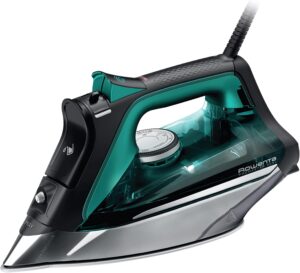
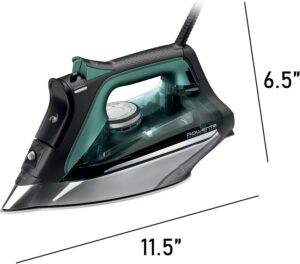
- Rowenta Pro Master X‑Cel Steam Iron heavy-duty steam iron with strong, even steam and precision tip; great for thick coats and heavy fabrics without scorching.
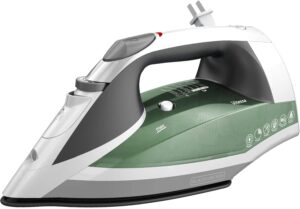
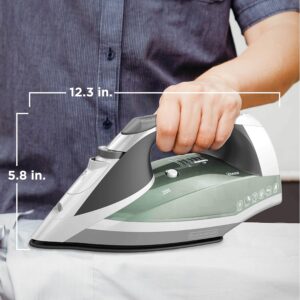
- Black+Decker Vitessa Advanced Steam Iron lightweight, budget-friendly, but still offers steam ironing for sweaters, hoodies, and scarves. A practical first iron for home use.
- LG CordZero Garment Steamer if you want to avoid direct ironing contact altogether, a garment steamer is ideal for coats, scarves, and hoodies; gentle on fabric, easy on hangers.

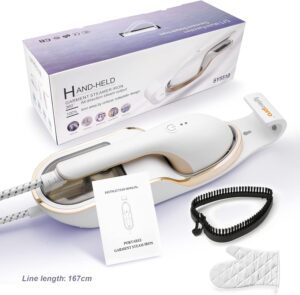
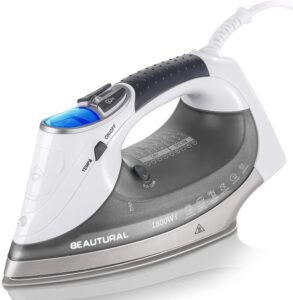
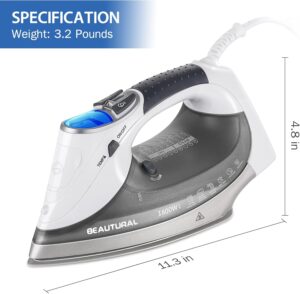
- Beautural 1800W Steam Iron mid-range steam iron with solid steam output; effective for mixed wardrobes including thick materials.
Common Mistakes & How to Avoid Them
| Mistake | What Happens | How to Avoid |
| Ironing heavy fabric dry on high heat | Flattened weave / shine marks / damage to fibres | Use steam, low-medium heat, and a pressing cloth |
| Pressing directly on fleece, hoodies, scarves | Fabric flattening, loss of softness | Steam from 2–5 cm away or use inside-out + gentle heat |
| Leaving iron in one spot too long | Burn marks, shine, weakened fibres | Keep iron moving; maximum contact ~5–10s; use pressing cloth |
| Ironing over prints or logos | Melting, cracking, distortion | Steam only or iron inside-out, low heat; avoid direct pressing |
Aftercare: Keep Fabrics Fluffy & Fresh
- Hang coats/scarves properly after ironing this helps fibres fall naturally, retaining their loft and shape.
- For wool coats: store with ventilation; avoid stuffing in plastic bags to retain texture.
- Use garment hangers for hoodies and scarves to prevent creases forming again.
- Avoid repeated hot ironing frequent steaming or gentle pressing is better for longevity.
Final Thoughts
Ironing or steaming winter coats, hoodies, and scarves doesn’t have to ruin their texture with the right heat settings, steam usage, protective cloth barriers, and a quality iron or steamer, you can keep bulky clothes looking fresh without flattening them.
In 2025, the best approach is: steam first, press only if needed, use gentle heat, and protect fibers with a cloth. With the right tools (some listed above) and care, your winter wardrobe stays warm, soft, and sharp all season long.
FAQs: How to Iron Winter Coats Without Flattening Fabric
Q1. Can you iron winter coats without damaging them?
Yes, but only with low heat and a pressing cloth. Heavy fabrics like wool, cashmere, and polyester blends can develop shine marks if pressed directly. Use steam instead of dry ironing whenever possible.
Q2. Is steaming better than ironing for winter coats?
Absolutely. Steaming is the safest method because it relaxes wrinkles without touching the fabric, so fibres don’t flatten. Vertical steaming is ideal for wool and structured coats.
Q3. How do I iron a hoodie without flattening the fleece?
- Turn the hoodie inside out
- Use low heat
- Prefer steam over direct pressing
Direct ironing can crush fleece texture and leave shiny patches, so steaming is best.
Q4. What temperature should I iron wool coats at?
Use the “Wool” or low-medium heat setting with steam.
Never use high heat, wool fibres can burn or glaze.
Q5. Can you iron a puffer jacket?
No. Direct ironing can melt the synthetic outer shell.
If the jacket is wrinkled, use:
- Vertical steam
- Low heat from a distance
Never press the iron on the jacket surface.
Q6. How do you remove wrinkles from scarves?
For wool, pashmina, silk, or cashmere scarves:
- Use steam only
- Lay flat on a surface
- Hold iron 3–5 cm above the surface
For cotton scarves, light pressing on low heat is safe with a cloth barrier.
Q7. Why does my coat look shiny after ironing?
Shine happens when high heat compresses fibres.
Fix it by:
- Steaming the area
- Using a damp cloth and gently pressing again
- Brushing fibres upward with a soft fabric brush
You can prevent shine by always using a pressing cloth.
Q8. How do I iron clothes with logos or prints?
Do not iron directly on prints.
Turn garment inside-out and steam lightly, or cover the logo with a thick cloth. High heat can melt designs.
Q9. Do I need a special iron for coats and heavy fabrics?
Not mandatory but irons with powerful steam, vertical steam mode, and anti-drip features work best. Handheld garment steamers are also excellent for winter clothing.
Q10. What is the safest way to freshen winter coats between washes?
Use:
- A garment steamer
- Fabric brush
- Wrinkle-release spray
- Light steaming + hanging in open air
Avoid washing winter coats too often it shortens their lifespan.
Q11. Can you iron sleeves and hood areas safely?
Yes; but go slowly:
- Use steam
- Avoid sharp creases
- Place a towel underneath to keep the shape
Hoods and sleeves flatten quickly, so gentle steaming is best.
Q12. How do you avoid ironing marks on delicate scarves?
Three rules:
- Low heat
- No direct contact
- Steam only for silk, wool, cashmere
This keeps fabric soft and fluffy without flattening.
Q13. Why is my hoodie losing its softness after ironing?
You’re using too much heat. Fleece and cotton blends are sensitive always use steam or low heat inside-out.
Q14. Should I steam or iron first?
For winter clothes:
✔ Steam first
✔ Iron only if absolutely necessary
Steam relaxes fibres without flattening the structure.